


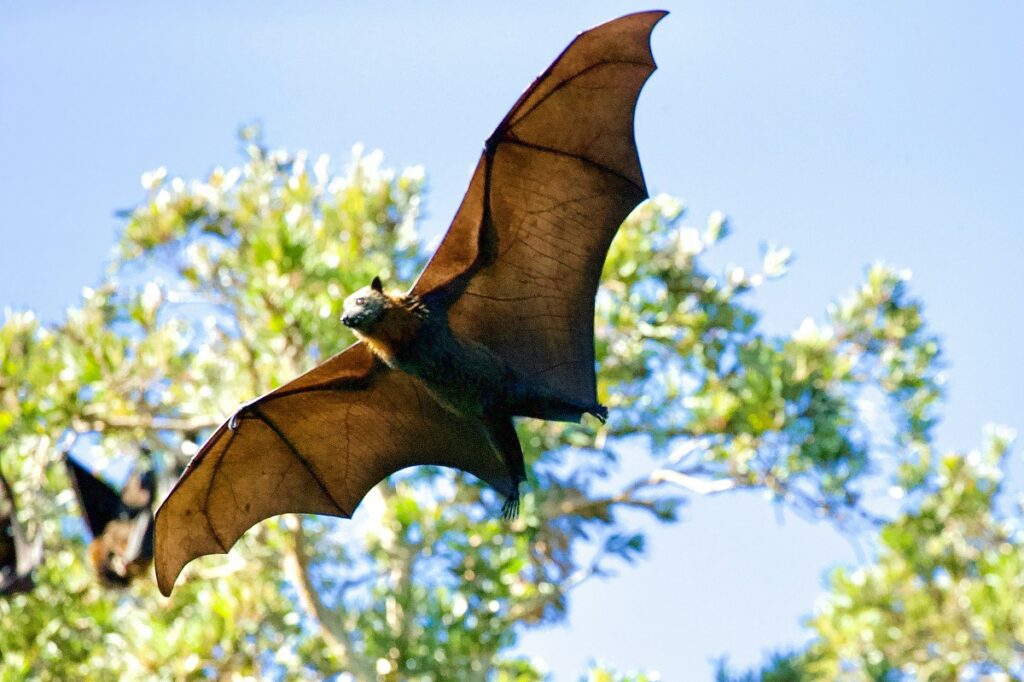
Chatham-Kent’s top doctor is encouraging area residents to take precautions after a bat recently tested positive for rabies.
Dr. Shanker Nesathurai, the acting medical officer of health for Chatham-Kent, said the fact that a bat has tested positive is concerning but not unexpected, as they are commonly infected with rabies.
However, Dr. Nesathurai said any exposure to a rabid animal carries a serious risk.
“Once a person has symptoms of rabies, they are almost certain to die, and the symptoms are quite significant,” said Dr. Nesathurai during a Health Board meeting on Monday. “But the risk of rabies going from an animal to a human can be minimized… [immediate] medical treatment can prevent the person from getting clinical rabies.”
While human cases of rabies in Canada are rare, local residents are advised to avoid wild, stray or aggressive animals, ensure pets are vaccinated against the virus, and report stray animals to animal control services.
Dr. Nesathurai said Chatham-Kent Public Health investigates roughly 380 animal bites each year.
“When appropriate, after an assessment and investigation, post-exposure prophylaxis is provided by the doctor in the emergency room so treatment can begin as soon as possible,” he said.
Rabies is caused by a virus that infects the brains of warm-blooded animals. It is carried in the saliva of an infected animal and can spread to people through a bite or scratch that breaks the skin
The virus is regularly found in bats, raccoons, skunks, foxes and other wild animals.
Anyone who has had contact with a bat or has been bitten or scratched by an animal should seek medical attention immediately and ensure the exposure is promptly reported to CK Public Health.